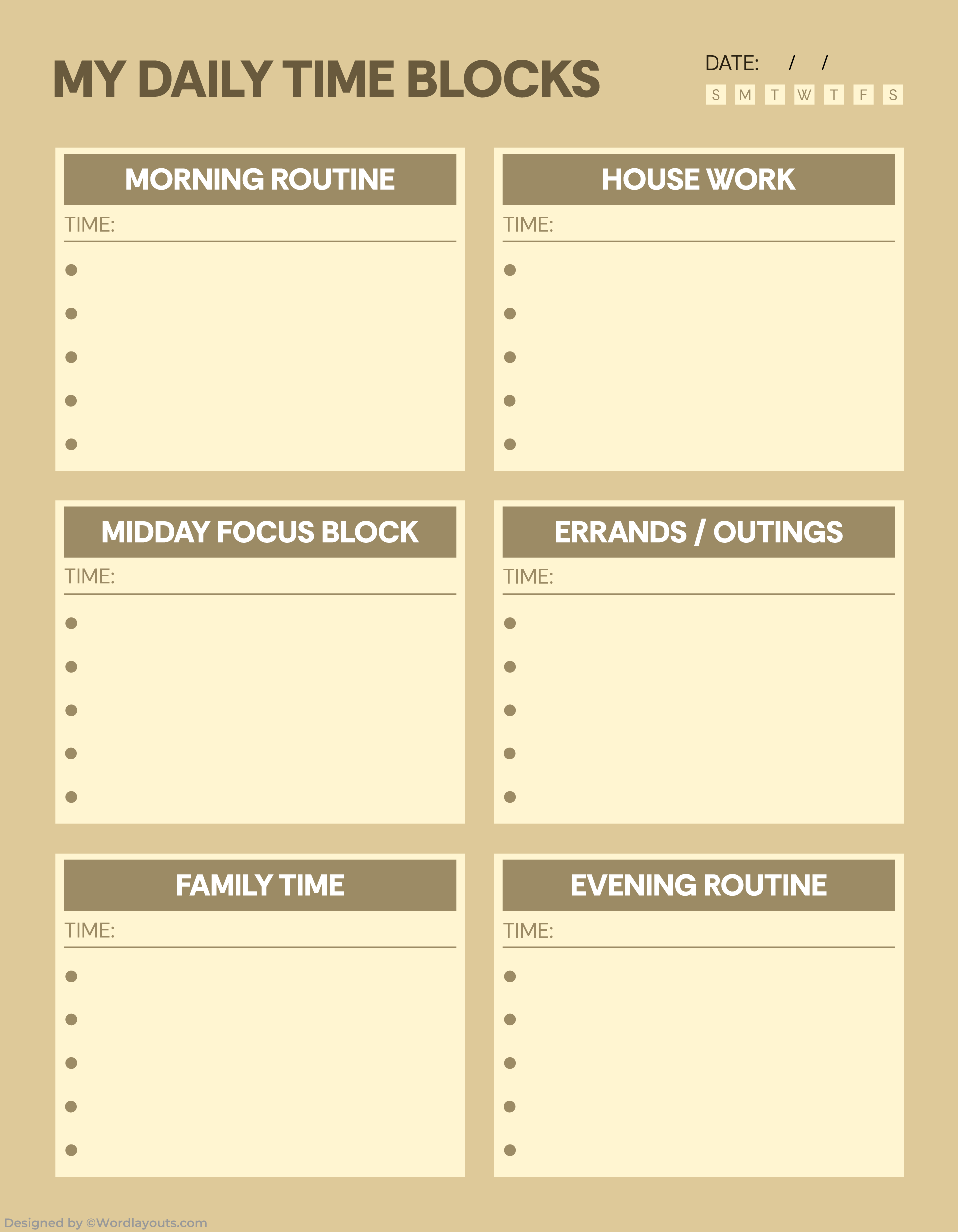
Build Your Personal Daily System

Step-by-step modules to design a morning and evening routine that fits your real life — not someone else's ideal.

Design Your Routine Architecture

Expand each module to explore the building blocks of a balanced daily system. Start with morning, then progress through your day.

Modular routine building blocks organized in a structured grid representing morning, daytime, and evening phases
1 Wake-Up Anchor

Choose a single, simple action that marks the start of your day. This could be opening a window, drinking a glass of water, or a brief stretch. The purpose is to create a reliable transition from sleep to wakefulness — a physical cue that tells your mind the day has begun.

2 Clarity Session

Spend 5–10 minutes on a focused mental activity: journaling, reviewing your intentions for the day, or a brief mindfulness practice. This step builds the bridge between a quiet morning state and an active, directed mindset.

3 Midday Reset Point

Insert a deliberate pause between your morning and afternoon blocks. A short walk, a few minutes of breathing exercises, or simply stepping away from your desk may help recharge attention and ease the common afternoon energy dip.

4 Transition Ritual

Create a clear boundary between your work day and personal evening. Change clothes, take a walk, or perform a specific action that signals to your brain that productivity time has ended and recovery time has begun.

5 Evening Shutdown Sequence

Develop a 20–30 minute wind-down sequence: prepare for the next day, reflect briefly on what went well, reduce screen brightness, and perform a calming activity like reading or gentle stretching. This may help your body and mind transition toward evening rest.

Routines That Fit Your Actual Life

Every lifestyle demands a different approach. Explore how routine architecture adapts to common real-world situations.

Office Workdays

Structured morning activation before commute, midday micro-breaks at your desk, and a clear evening boundary after returning home.

Remote Work

When home is also your office, rituals that separate work from rest become essential. Physical cues and spatial boundaries maintain balance.

Travel Days

A portable routine — just 2–3 core actions — keeps your rhythm intact even when your environment changes completely.

Principles for Lasting Daily Habits

Consistency comes from design, not willpower. These principles help you maintain routines without pressure.

Start Smaller Than You Think

Begin with one or two actions, not a full schedule. Success with small steps builds natural motivation to add more over time.

Chain Actions Together

Attach new habits to existing ones. After your morning coffee, do one page of journaling. The existing habit becomes the trigger.

Embrace Imperfect Days

Missing a day is not failure. A strong routine is resilient because it is simple enough to restart the very next morning.

Review and Adjust Weekly

Spend a few minutes each week evaluating what works and what does not. Small adjustments keep your routine aligned with your life.

Start Building Your Routine Today

Whether you are designing a morning system or restructuring your evenings, we can help you find the right approach.

All materials and practices on this site are for general educational and informational purposes only. They are not medical, psychological, or professional advice and are not intended to diagnose, treat, cure, or prevent any disease or condition. Individual results vary. Consult a qualified healthcare provider before changing habits related to sleep, nutrition, exercise, or mental health, especially if you have a medical condition.